
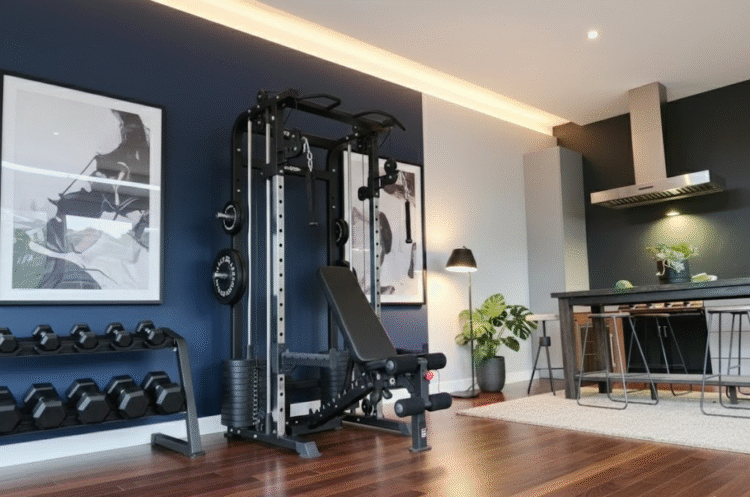
Setting up a home gym can completely transform the way you approach fitness and health. Instead of adjusting your schedule around gym hours or dealing with crowded workout spaces, a home gym allows you to exercise whenever it suits you best. For beginners, the idea of choosing equipment and creating a workout space can feel overwhelming. However, with the right planning and a clear understanding of your needs, building a home gym becomes a simple and rewarding process. This guide will walk you through everything you need to know to create a practical, beginner-friendly workout space at home.
1. Evaluate Your Available Workout Area
Before purchasing any fitness equipment, take time to assess the space you have available. This could be a spare bedroom, garage, balcony, basement, or even a small section of your living room. Measuring the area will help you avoid overcrowding and ensure comfortable movement during exercises. Also, think about ventilation, flooring, and ceiling height, especially if you plan to include equipment like pull-up bars or overhead exercises. A well-planned space improves both safety and workout quality.
2. Define Your Fitness Objectives
Having clear fitness goals will guide every equipment choice you make. Ask yourself whether you want to lose weight, build muscle, improve flexibility, increase endurance, or simply stay active and healthy. Beginners often benefit from a balanced routine that includes strength training, cardio, and mobility exercises. When your goals are clear, you are less likely to waste money on equipment you won’t use regularly.
3. Essential Cardio Training Equipment
Cardio workouts are important for heart health, stamina, and calorie burning. Beginners should focus on equipment that is easy to use and fits their available space.
Treadmill: Ideal for walking, jogging, or running indoors, especially during bad weather.
Exercise Bike: A low-impact option that is gentle on the joints and suitable for all fitness levels.
Jump Rope: A simple and budget-friendly tool that delivers an intense cardio workout in a short time.
Including at least one cardio option helps keep your routine engaging and effective.
4. Must-Have Strength Training Tools
Strength training plays a major role in building muscle, increasing metabolism, and improving overall body strength. Beginners don’t need heavy or complex machines to get started.
Dumbbells: Extremely versatile and useful for full-body workouts.
Resistance Bands: Lightweight and portable, offering different resistance levels for progressive training.
Kettlebells: Great for dynamic movements that improve strength and coordination.
Workout Bench: Adds variety and support for exercises, allowing better form and comfort.
Starting with basic strength tools allows you to gradually progress as your strength improves.
5. Flexibility And Core Workout Equipment
Flexibility and core strength are often overlooked but are essential for balance, posture, and injury prevention.
Exercise Mat: Provides comfort and stability for floor exercises, stretching, and yoga.
Stability Ball: Helps strengthen core muscles and improves balance.
Foam Roller: Supports muscle recovery by reducing stiffness and soreness after workouts.
Including these tools helps create a well-rounded fitness routine.
6. Optional Equipment To Upgrade Your Gym
Once you build consistency and confidence, you may want to enhance your home gym with additional equipment.
Pull-Up Bar: Excellent for upper body strength and requires minimal space.
Medicine Ball: Adds intensity and variety to strength and cardio exercises.
Step Platform: Useful for cardio routines and lower-body training.
These additions can make workouts more challenging and enjoyable over time.
7. Plan Your Budget Wisely
Home gym equipment is available at a wide range of prices. Setting a clear budget helps you avoid overspending and focus on essentials. Beginners should prioritize versatile equipment that supports multiple exercises. You can always expand your setup gradually as your fitness level improves and your budget allows.
8. Focus On Safety And Proper Setup
Safety should always be a top priority when working out at home. Make sure all equipment is assembled correctly and placed on stable surfaces. Learn proper exercise techniques, warm up before workouts, and start with lighter weights. Taking these precautions reduces the risk of injury and builds long-term consistency.
9. Design A Motivating Workout Space
A motivating workout environment can greatly impact your consistency. Keep your space clean, organized, and well-lit. Proper ventilation helps you stay comfortable during workouts. Adding music, mirrors, or workout videos can make exercise more enjoyable and keep you motivated to stay active.
Final Thoughts
Building a home gym is a powerful step toward achieving long-term fitness goals. With thoughtful planning, the right equipment, and a positive mindset, you can create a workout space that supports your health and lifestyle. Remember, consistency matters more than perfection. By staying committed and gradually improving your routine, your home gym can become a key part of a healthier and more active life.
Leave Comment